For most buyers, the Sony RX100 VII is what is a good small camera to buy.
Choosing a compact camera is not just about finding the smallest body. You need to balance image quality, lens range, autofocus, controls, battery life, and price. After comparing popular pocket cameras and considering how they perform for travel, family photos, street scenes, and video, this guide will help you find the right fit without wasting money.
What is a good small camera to buy?
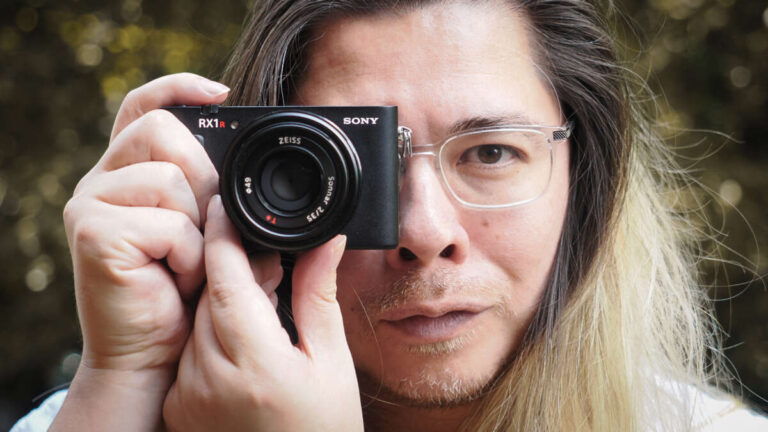
For most people, the Sony Cyber-shot RX100 VII is the best all-around answer to what is a good small camera to buy. It has a one-inch sensor, a sharp 24–200mm equivalent zoom lens, excellent autofocus, a pop-up electronic viewfinder, and 4K video in a body that can fit in a jacket pocket.
The RX100 VII is not perfect. Its grip is small, its menu system takes time to learn, and its price is high for a compact camera. Still, it offers a rare mix of portability, zoom range, speed, and image quality.
The best choice also depends on how you shoot:
• Choose the Sony RX100 VII for travel, family moments, action, and an all-purpose zoom.
• Choose the Sony ZV-1 II for vlogging and easy video recording.
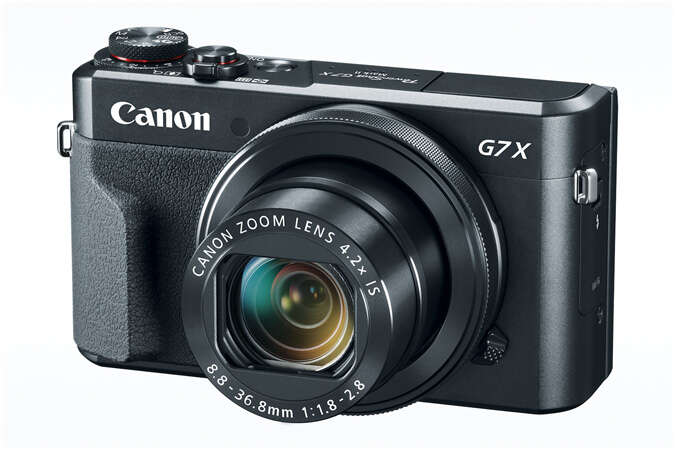
• Choose the Canon PowerShot G7 X Mark III for simple controls and strong video features.
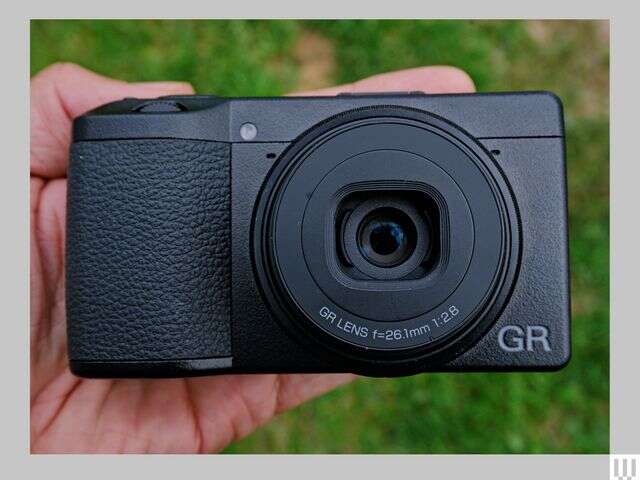
• Choose the Ricoh GR III or GR IIIx for street photography and sharp photos in a truly pocketable body.
• Choose the Fujifilm X100VI if you want premium image quality and do not mind a larger fixed-lens camera.
How to choose a small camera
The right answer to what is a good small camera to buy starts with your real shooting habits. A camera that looks impressive on a product page may be frustrating if it does not match your daily use.
Think about where you will take photos. A traveler may need a flexible zoom lens, while a street photographer may prefer a small body with a fast fixed lens. Someone who mainly records themselves may care more about a flip screen and a good microphone than a long zoom.
Sensor size
Sensor size affects image quality, low-light performance, background blur, and camera size.
Common compact camera sensor types include:
• 1/2.3-inch sensors, which are small and common in inexpensive point-and-shoot cameras.
• One-inch sensors, which offer a useful balance between size and image quality.
• Micro Four Thirds sensors, which provide more control and better low-light results but usually require a larger body.
• APS-C sensors, which produce excellent image quality but often come in larger compact or interchangeable-lens cameras.
• Full-frame sensors, which deliver strong low-light performance but are rarely truly pocketable.
A one-inch sensor is often the sweet spot for a small travel camera. It gives you more detail and cleaner images than a basic phone or budget point-and-shoot, while keeping the body compact.
Lens range
A zoom lens makes a small camera more flexible. A 24–70mm equivalent range works well for portraits, food, and everyday photos. A 24–200mm range is better for travel because it lets you photograph wide buildings and distant details without changing lenses.
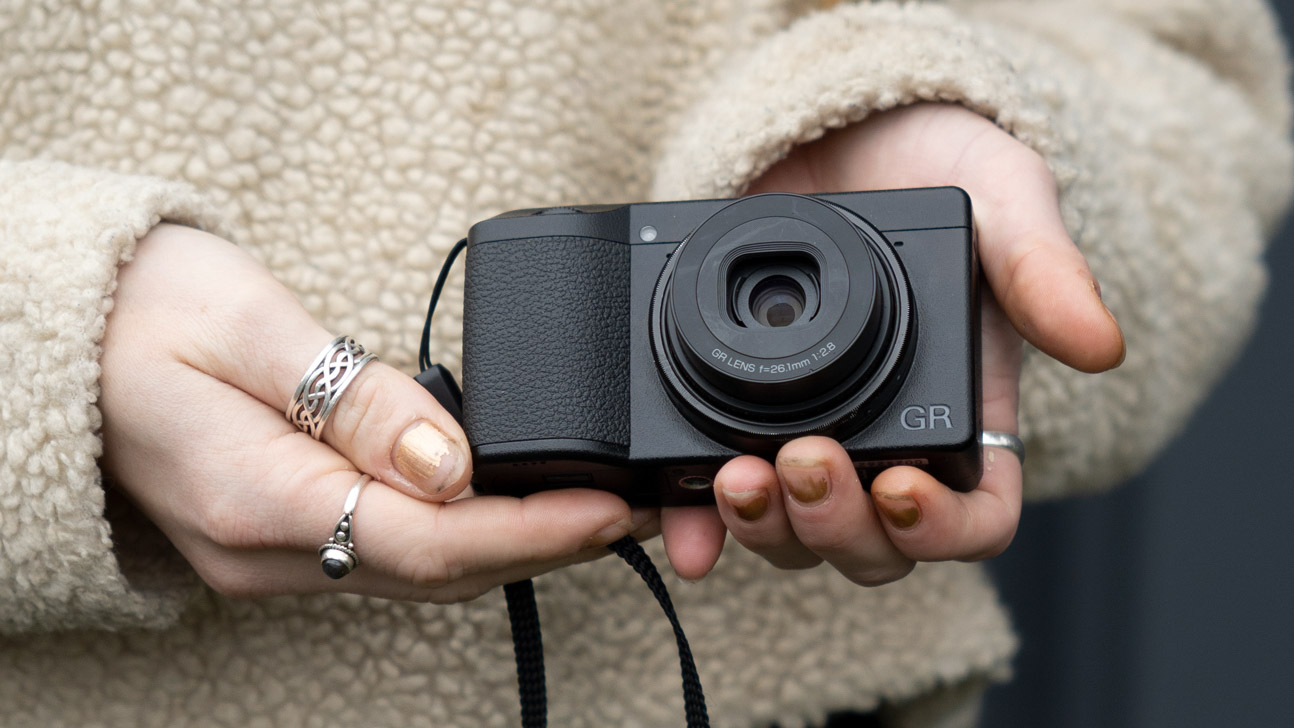
A fixed lens can produce sharper images and a more consistent look. The Ricoh GR III, for example, uses a 28mm equivalent lens, while the GR IIIx uses a 40mm equivalent lens. The first is better for wider scenes, and the second feels more natural for portraits and street photography.
Autofocus
Modern autofocus can make a bigger difference than a small increase in resolution. Look for face detection, eye detection, subject tracking, and quick focus in low light.
Sony’s RX100 VII is especially strong here. Its autofocus system is useful for children, pets, moving subjects, and casual sports. This is one reason it remains a leading answer when people ask what is a good small camera to buy.

Best small cameras to buy in 2025
Camera prices and stock change often, so check current deals before buying. The following models cover different needs rather than trying to name one winner for everyone.
Sony RX100 VII: best overall compact camera
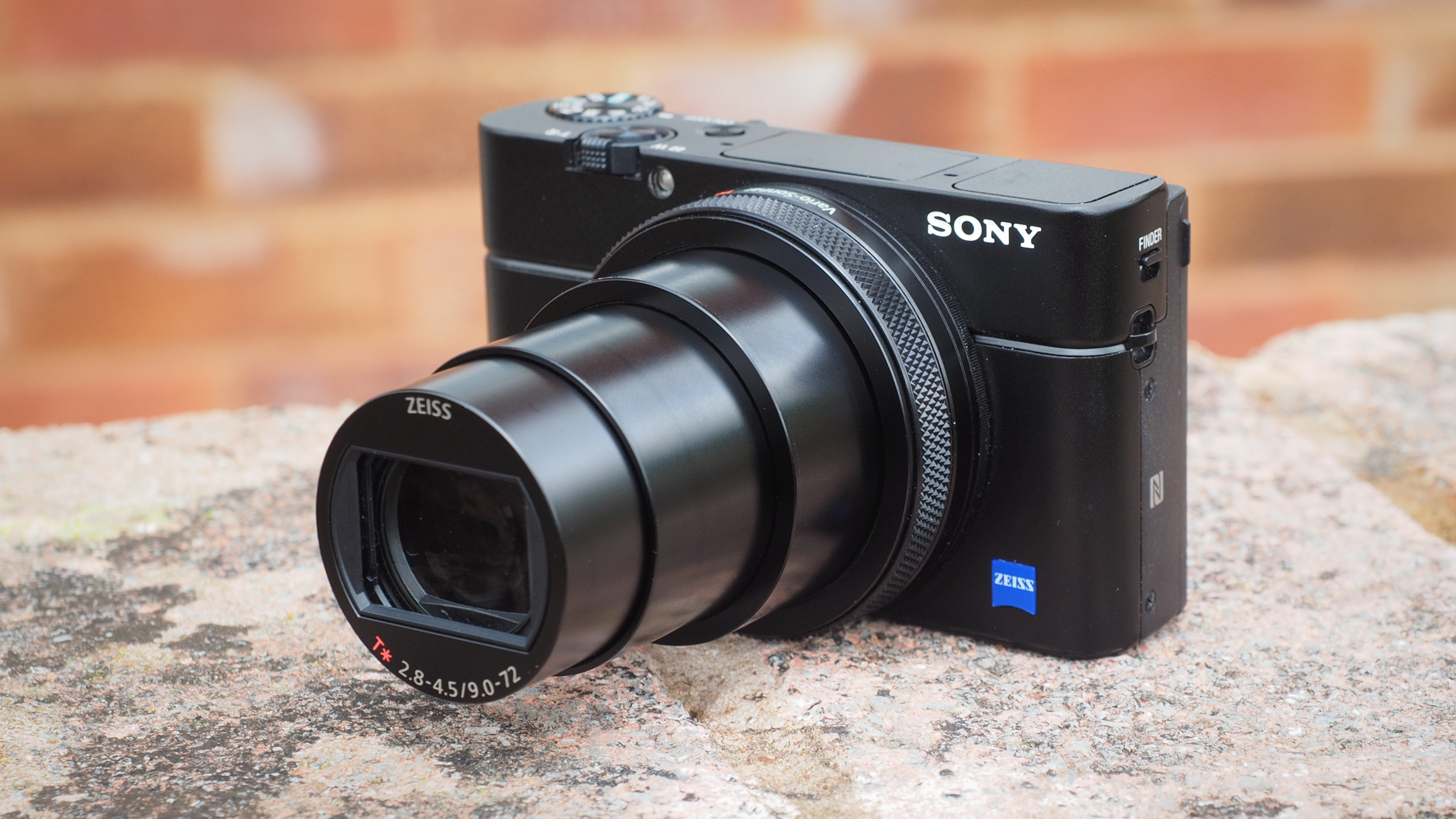
The Sony RX100 VII is the safest recommendation for most buyers. Its 20.1-megapixel one-inch sensor gives you detailed photos, and the 24–200mm equivalent lens handles both wide and distant subjects.
Key strengths include:
• Excellent autofocus and subject tracking
• 4K video
• A useful built-in electronic viewfinder
• A tilting screen
• A compact body
• A versatile 24–200mm zoom
The lens is not especially bright at the long end, so indoor photos may need a higher ISO or added light. Its controls can also feel cramped. Even so, it is one of the most capable pocket cameras available.
Sony ZV-1 II: best small camera for video
The Sony ZV-1 II is designed with creators in mind. It has a flip-out screen, a wide 18–50mm equivalent lens, a built-in directional microphone, and video tools that make recording yourself easier.
It is a strong answer to what is a good small camera to buy for YouTube, TikTok, travel videos, and product reviews. The wide lens helps when you hold the camera at arm’s length.
Its main limitation is the lack of a long zoom. If you want to photograph wildlife or distant landmarks, the RX100 VII is more useful.
Canon PowerShot G7 X Mark III: best for easy controls
The Canon G7 X Mark III has a one-inch sensor, a bright 24–100mm equivalent lens, and a simple control layout. Its lens is useful indoors and in the evening because it lets in more light than many long-zoom compact cameras.
It also supports 4K video and live streaming features. Canon’s color output is pleasing, and the camera is approachable for beginners.
Availability can be inconsistent, and autofocus tracking is not as advanced as Sony’s. Still, it remains a good choice if you value a bright lens and straightforward handling.
Ricoh GR III: best for street photography
The Ricoh GR III is one of the smallest serious cameras you can buy. It has an APS-C sensor and a sharp 28mm equivalent fixed lens.
The GR III is excellent for:
• Street photography
• Travel snapshots
• Architecture
• Everyday carry
• Quiet, discreet shooting
It does not have a built-in viewfinder, a long zoom, or strong weather sealing without extra accessories. Its purpose is simple: carry a small camera everywhere and capture sharp, natural-looking photos.
The Ricoh GR IIIx uses a 40mm equivalent lens. It is often better for portraits and tighter street compositions.
Fujifilm X100VI: best premium fixed-lens camera
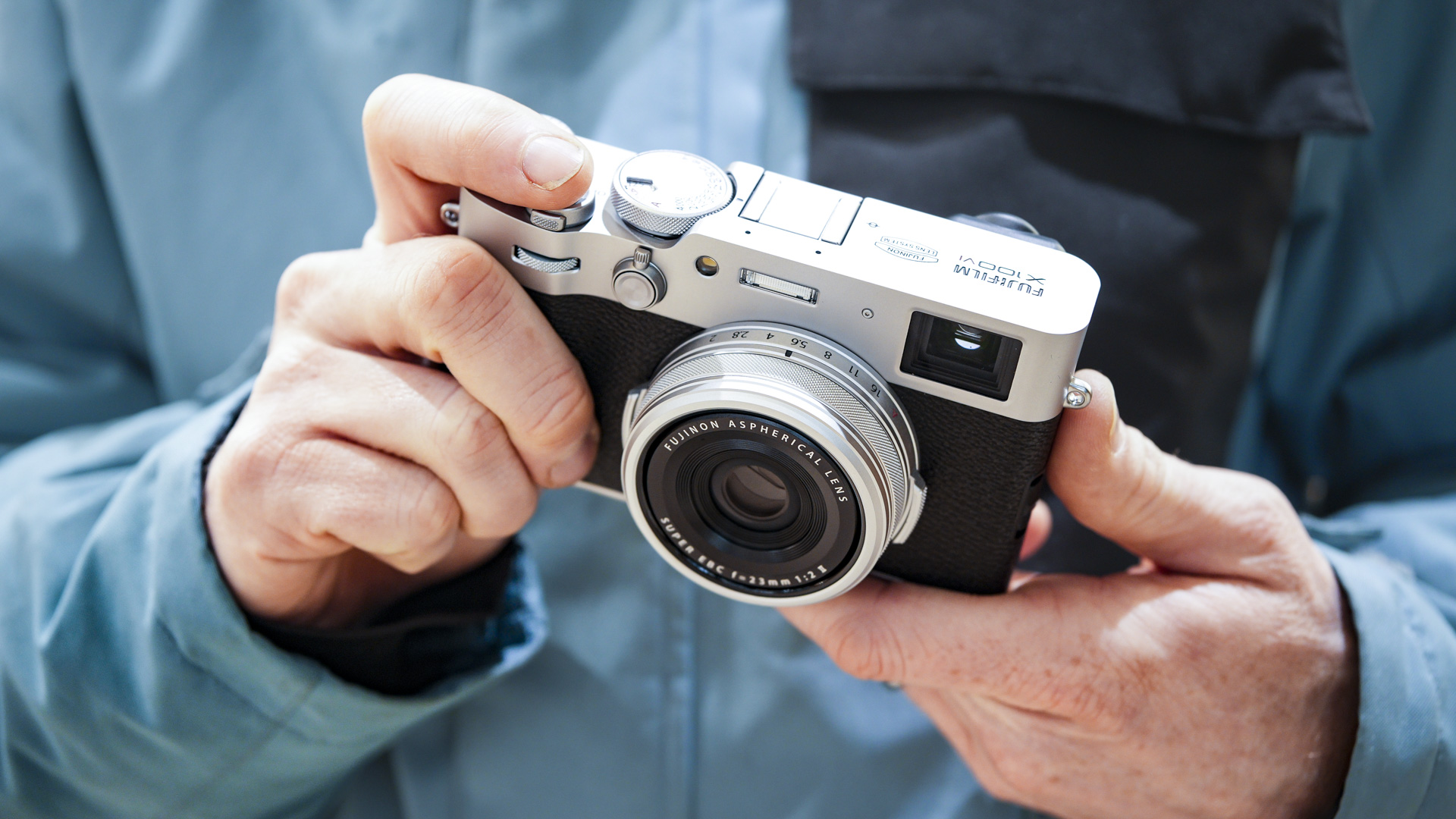
The Fujifilm X100VI has a larger APS-C sensor, a 35mm equivalent fixed lens, strong image quality, film simulation modes, and a hybrid optical and electronic viewfinder.
It is not as small as an RX100 or GR III. It also costs more and may be difficult to find at normal retail prices. However, it produces beautiful photos and offers a more traditional photography experience.
For someone who wants a compact camera with excellent image quality and physical dials, the X100VI is a compelling choice. It is better described as a small premium camera than a pocket camera.
Small camera comparison
A simple comparison can make it easier to decide what is a good small camera to buy for your needs.
| Camera | Sensor | Lens | Best for |
|---|---|---|---|
| Sony RX100 VII | One-inch | 24–200mm equivalent zoom | Travel and all-purpose use |
| Sony ZV-1 II | One-inch | 18–50mm equivalent zoom | Vlogging and video |
| Canon G7 X Mark III | One-inch | 24–100mm equivalent zoom | Beginners and low-light scenes |
| Ricoh GR III | APS-C | 28mm equivalent fixed lens | Street photography |
| Ricoh GR IIIx | APS-C | 40mm equivalent fixed lens | Portraits and street scenes |
| Fujifilm X100VI | APS-C | 35mm equivalent fixed lens | Premium everyday photography |
These cameras are not direct replacements for one another. A fixed-lens APS-C camera may produce cleaner files than a one-inch zoom camera, but it cannot frame a distant subject. A long-zoom compact is flexible, but its small aperture may limit low-light performance.

Small camera features that matter most
Camera specifications can be confusing. Megapixels are useful, but they do not tell the whole story.
Image stabilization
Optical or electronic stabilization helps reduce blur from camera movement. It is useful when shooting indoors, at night, or while recording handheld video.
Stabilization cannot freeze a moving person. If your subject moves, you still need a faster shutter speed.
Viewfinder
A viewfinder helps you see the image in bright sunlight. It also gives you a steadier way to hold the camera.
The RX100 VII includes a pop-up electronic viewfinder. The Ricoh GR III does not include one, which keeps it smaller but makes bright-day shooting less convenient.
Screen movement
A tilting or flip-out screen helps with low-angle photos, overhead shots, and self-recording. A fully articulating screen is more useful for video because it can face forward.
Battery life
Small cameras use small batteries. Many will last for a few hundred photos under normal conditions, but heavy video use can drain a battery quickly.
Carry a spare battery or a USB power bank. This is one of the least expensive ways to improve a travel photography setup.
Weather protection
Do not assume that a small camera is weather-sealed. Most pocket cameras need protection from heavy rain, sand, and snow.
The Ricoh GR III and many Sony compact cameras are not designed for harsh weather without added protection. A small rain cover can prevent an expensive repair.

Small camera versus smartphone
A modern smartphone is often the most convenient camera. It is always with you, processes images quickly, and makes sharing simple.
A dedicated small camera can still offer important advantages:
• A real optical zoom
• Better physical controls
• More natural background blur
• Higher sustained image quality
• A larger grip and more stable handling
• Better control over shutter speed, aperture, and ISO
• Fewer distractions while taking photos
The difference is most obvious when you zoom in, shoot in dim light, or want a natural lens perspective. Phones are excellent for casual use, but a dedicated camera gives you more control.
A useful rule is this: if you often miss photos because your phone cannot reach the subject, a zoom compact may be worth buying. If you mainly share quick snapshots online, your phone may already meet your needs.

Common mistakes when buying a small camera
The answer to what is a good small camera to buy can change when buyers focus on the wrong features.
Buying based only on megapixels
More megapixels do not automatically mean better photos. Lens quality, sensor size, autofocus, lighting, and image processing also matter.
A 20-megapixel camera with a sharp lens can produce better results than a higher-resolution camera with a weak lens.
Ignoring the lens
The lens controls what you can photograph. A wide fixed lens is poor for distant subjects, while a long zoom may be less useful indoors.
Before buying, imagine your most common photo. If it is a family dinner, choose a bright lens. If it is a mountain trip, choose a flexible zoom.
Choosing a camera that is too complex
A technically advanced camera is not useful if you leave it at home. The best small camera is the one you will carry and use.
Try the camera in a store if possible. Check the grip, buttons, menus, screen, and weight. Comfort is not a minor detail.
Forgetting the total cost
Budget for a memory card, spare battery, case, and possible warranty. Premium compact cameras can also cost more to repair than expected.
Buying used can save money, but inspect the lens, screen, battery door, flash, and zoom mechanism. Ask whether the camera has been exposed to water or sand.
Practical tips for better small-camera photos
A good camera helps, but simple habits often improve results more.
-
Keep the lens clean. Fingerprints can make every photo look soft.
-
Use the lowest practical ISO. This reduces grain and preserves detail.
-
Watch the light. Soft morning or evening light is often more flattering than harsh midday sun.
-
Use face and eye detection for people. Let the camera handle focus while you concentrate on the moment.
-
Learn exposure compensation. It is one of the fastest ways to make a photo brighter or darker.
-
Hold the camera with both hands. A stable grip reduces blur.
-
Carry extra storage. A fast memory card prevents interruptions during video or burst shooting.
-
Back up photos after each trip. A small camera cannot protect your memories from a lost card.
In real travel use, the most common mistake is not technical. It is leaving the camera inside a bag because it feels inconvenient. Keep it accessible, use a wrist strap, and practice changing the main settings before your trip.

Is a used small camera worth buying?
A used small camera can be an excellent deal, especially when new models have only minor improvements. Older versions of the Sony RX100, Canon G7 X, and Ricoh GR series can still produce very good images.
Check these areas before paying:
• Lens glass for scratches or haze
• Zoom movement for grinding or hesitation
• Screen for dead pixels
• Battery compartment for corrosion
• Buttons and dials for missed inputs
• Autofocus in bright and dim light
• Flash and hot shoe operation
• USB port and memory card slot
Ask for sample photos taken recently. Also confirm the return policy. A low price is not a bargain if the lens mechanism fails a week later.
Frequently asked questions about what is a good small camera to buy
What is a good small camera to buy for travel?
The Sony RX100 VII is a strong travel choice because it combines a compact body with a 24–200mm equivalent zoom. It can handle landscapes, portraits, food, and distant subjects without carrying extra lenses.
What is the best small camera for beginners?
The Canon PowerShot G7 X Mark III is beginner-friendly because its controls are simple and its 24–100mm equivalent lens suits many everyday scenes. The Sony RX100 VII is more powerful but may take longer to learn.
Is a small camera better than an iPhone?
A small camera is better when you need optical zoom, manual controls, a larger sensor, or more consistent image quality in difficult light. An iPhone is often better for convenience, automatic processing, and instant sharing.
What is a good small camera to buy for vlogging?
The Sony ZV-1 II is a strong option for vlogging because it has a wide lens, flip-out screen, useful video controls, and a built-in microphone designed for front-facing recording. For longer reach, consider the Sony ZV-1 instead.
Is the Ricoh GR III good for everyday photography?
Yes, the Ricoh GR III is excellent for everyday photography if you like a 28mm equivalent fixed lens. It is small, discreet, and sharp, but it is less suitable for distant subjects or people who prefer zoom lenses.
Do compact cameras work well in low light?
Compact cameras with one-inch or APS-C sensors can perform well in low light, especially with bright lenses and image stabilization. They will still show more noise than larger interchangeable-lens cameras at very high ISO settings.
Conclusion
The best answer to what is a good small camera to buy depends on your subject and shooting style. The Sony RX100 VII is the best all-around choice for many people, while the Sony ZV-1 II suits video, the Canon G7 X Mark III favors simple controls, and the Ricoh GR III excels at street photography.
Choose the camera you will carry, not just the one with the longest specification list. Compare the lens, sensor, autofocus, controls, battery life, and total cost before you buy. Then take it outside, practice with it, and make it part of your daily routine.

Everett Ashford is a tech reviewer at mytechgrid.com specializing in SSDs, cameras, TVs, earbuds, headphones, and other consumer electronics. He provides honest, data-driven reviews based on hands-on testing and real-world performance analysis. Everett simplifies complex tech details to help readers make smart, confident buying decisions.