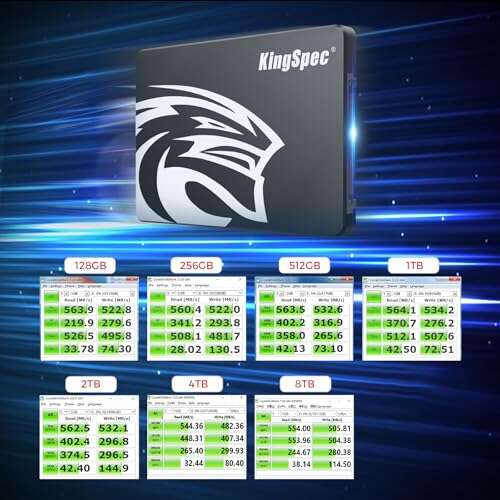

SSD storage on a Mac is a solid-state drive that stores files using flash memory for fast, reliable performance.
As someone who has built, upgraded, and optimized Macs for more than a decade, I’ll walk you through what is ssd storage mac, why it matters, and how it affects real-world use. This guide explains the technical basics, compares SSDs to older drives, shows the types Apple uses, and gives clear, practical steps for upgrading and optimizing SSD storage on Mac. Read on to make confident choices about speed, storage, and long-term reliability for your Mac.

What is SSD storage on Mac?
SSD storage on a Mac means the computer uses a solid-state drive to hold the operating system, apps, and files. SSDs use flash memory chips instead of spinning disks. They have no moving parts, which makes them faster, quieter, and more durable than traditional hard drives.
An SSD delivers much faster boot time and app launch speeds on macOS. When asking what is ssd storage mac, think of it as the component that directly controls how fast your Mac feels. Most modern Macs ship with SSD storage as standard because it provides a clear, noticeable performance boost.

How SSDs differ from HDDs and why it matters
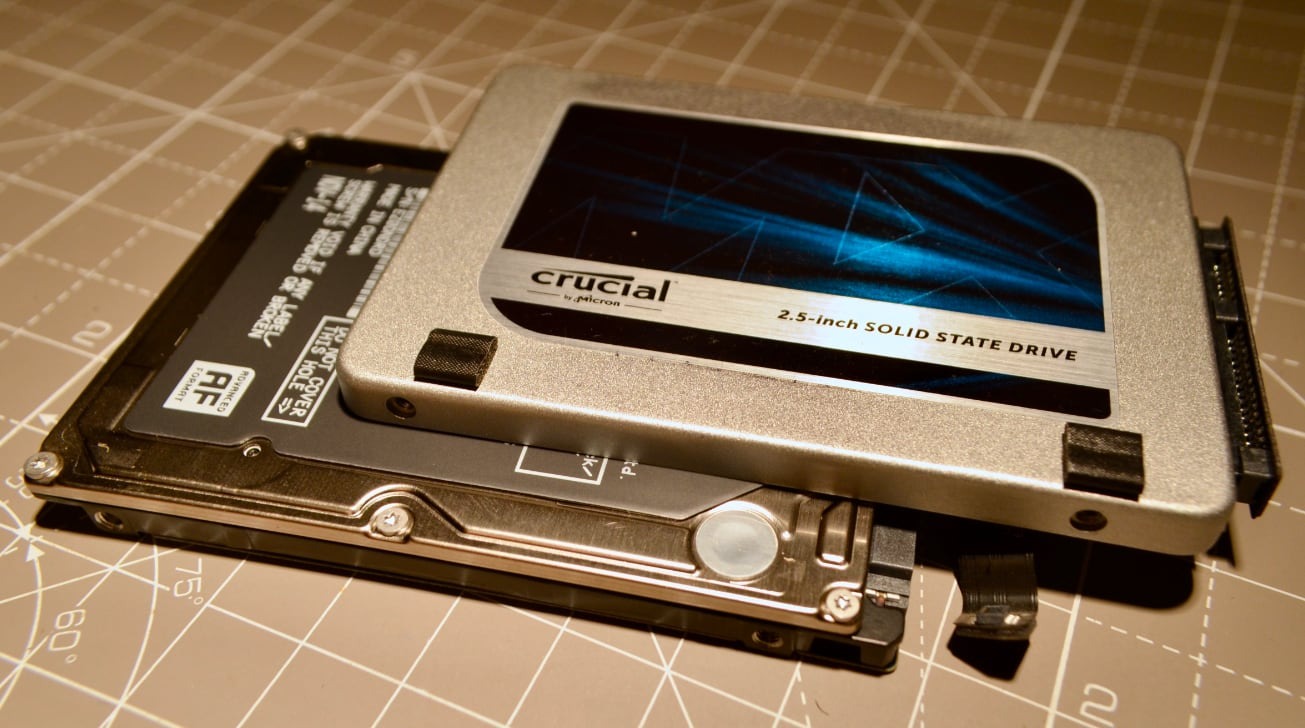
SSDs and HDDs store the same data but work in very different ways. HDDs use spinning platters and a moving read/write head. SSDs store data on flash memory and access it electronically.
Key differences:
- Speed: SSDs read and write data far quicker. This means faster boot, file transfer, and app opening.
- Reliability: SSDs resist shock and wear fewer mechanical failures.
- Noise and heat: SSDs are silent and run cooler than HDDs.
- Power use: SSDs often use less power, improving battery life in laptops.
When people ask what is ssd storage mac vs HDD, the practical answer is simple: an SSD makes your Mac feel modern and responsive. If you do photo editing, coding, or run virtual machines, the speed difference is huge.
PAA-style question: Is SSD always faster than HDD?
Yes. SSDs are almost always faster because they access data electronically rather than mechanically. Real-world tasks like booting macOS or opening large files show the biggest gains.
PAA-style question: Will SSD improve battery life on Mac?
Often yes. SSDs draw less power than HDDs during active use, which can add modest battery life improvements on laptops.

Types of SSDs used in Macs
Macs have used several SSD types over the years. Knowing them helps when upgrading or troubleshooting.
Common SSD types in Macs:
- SATA SSD: Older laptops used 2.5-inch SATA SSDs or SATA-based blade drives. They are limited by SATA bandwidth.
- PCIe NVMe SSD: Modern Macs use PCIe NVMe SSDs for much higher speed and lower latency.
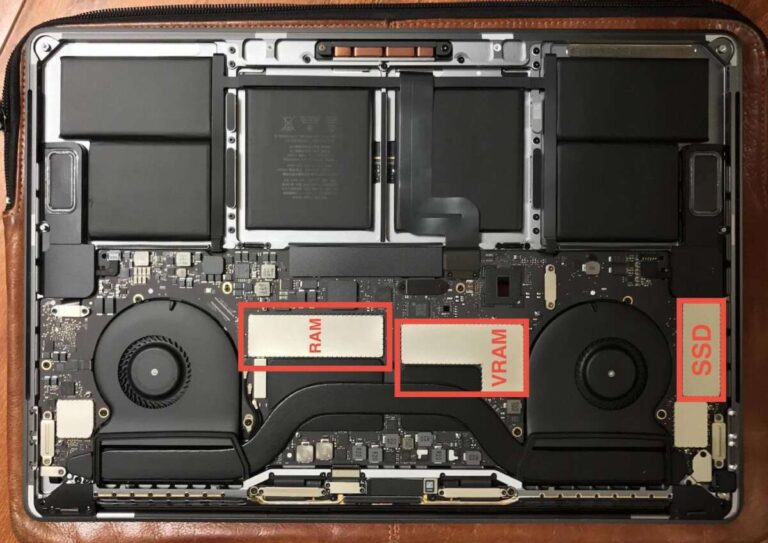
- Apple proprietary blade SSD: Newer MacBook models use custom blade-style SSDs soldered or socketed to the logic board.
Understanding what is ssd storage mac in your model matters for compatibility. Some Macs allow easy swaps, while others have storage soldered down, requiring external solutions instead of internal upgrades.

Benefits of SSD storage Mac
Switching to or choosing a Mac with SSD storage brings clear, practical advantages.
Benefits include:
- Faster system boot and sleep/wake cycles. Your Mac wakes and is ready in seconds.
- Rapid app launches and file access. Large projects open quickly.
- Improved multitasking. Multiple apps and browser tabs run smoother.
- Better durability. No moving parts means fewer mechanical failures.
- Lower noise and heat. Your Mac stays quiet and cool during normal use.
If you wonder what is ssd storage mac good for, think productivity and reliability. SSDs directly improve daily workflow and user experience.
Limitations and considerations
SSDs are excellent, but they have trade-offs to consider when you ask what is ssd storage mac for your workflow.
Limitations:
- Cost: Per gigabyte, SSDs are more expensive than HDDs.
- Write endurance: Flash memory cells wear out over time, though modern SSDs last many years under typical use.
- Capacity limits: Large SSDs cost more; storing terabytes of data locally can be costly.
- Upgrade constraints: On some Macs, SSDs are soldered and not user-replaceable.
Be transparent about these limits when choosing a Mac. For many users, the speed benefits outweigh cost, but plan backups and storage strategies to avoid surprises.

Upgrading or replacing SSD in Mac
If you’re upgrading an older Mac or expanding storage, know your options for what is ssd storage mac compatibility and upgrade paths.
Upgrade routes:
- Internal swap: Older MacBook Pros and iMacs may accept a user-replaceable SSD. Confirm model compatibility before buying parts.
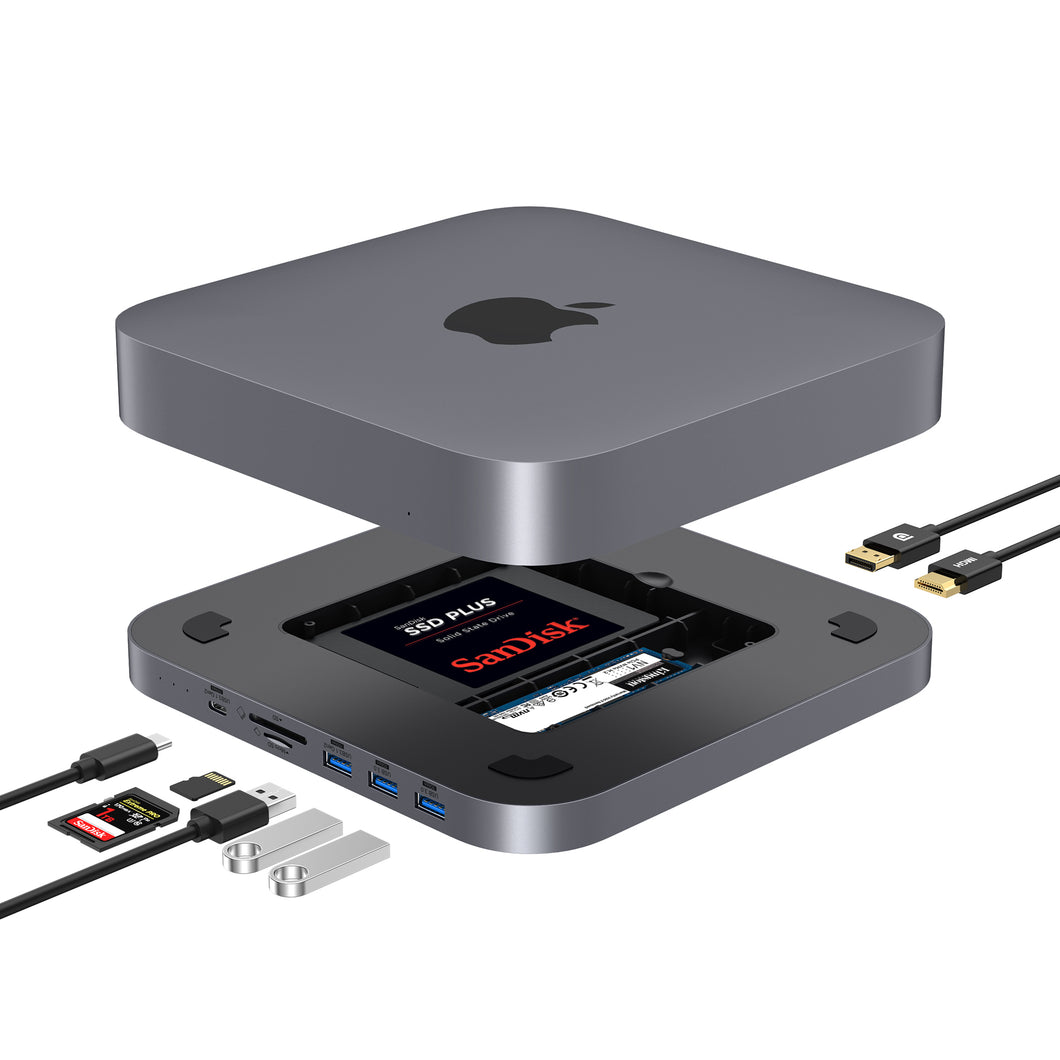
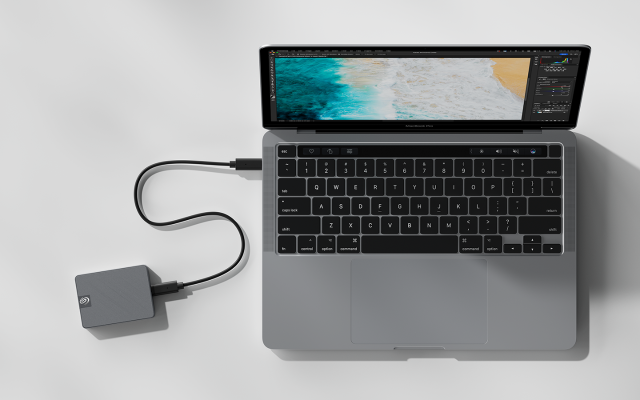
- External SSD: Use a fast USB-C or Thunderbolt external SSD for extra space or as a boot drive. This is ideal for soldered-storage Macs.
- Professional upgrade: For soldered SSDs, some repair shops can perform board-level upgrades, but costs and risks are higher.
- Cloud and NAS: Combine local SSD with cloud or network storage for large archives.
Practical steps:
- Identify your Mac model and SSD interface.
- Back up with Time Machine or a full disk clone.
- Use correct tools and follow guides if you replace internal storage.
- Verify TRIM support and firmware compatibility after install.
If you’ve asked what is ssd storage mac in the context of upgrades, most modern Macs are easiest to expand using fast external SSDs.
How to optimize SSD storage on Mac
A few simple steps keep SSD performance high and extend lifespan. These tips answer common “what is ssd storage mac” performance questions.
Optimization tips:
- Enable TRIM if using a third-party SSD to maintain write performance. macOS supports TRIM for Apple SSDs automatically.
- Keep at least 10–20 percent free space for wear leveling and performance.
- Use built-in Storage Management to offload large files to iCloud or external drives.
- Avoid unnecessary heavy writes like constant disk-based logging or unneeded VM swap.
- Run First Aid in Disk Utility when you suspect disk issues.
These small changes keep your SSD responsive and healthy. Regular backups remain essential because no drive is immune to failure.

Personal experience and practical tips
I’ve upgraded many MacBook Pros and set up external SSDs for clients. Here are lessons from real work.
What I learned:
- Always back up first. I once upgraded a drive without a full clone and lost hours reconfiguring apps.
- Buy a quality SSD. Cheaper models saved money but caused slowdowns and compatibility headaches.
- Choose external SSDs with Thunderbolt for best speed. USB-C cheaper drives work well for backups.
- Keep macOS updated. Apple firmware updates often improve SSD stability and performance.
A practical tip: use a bootable external SSD while testing a new macOS upgrade. This keeps your main drive safe while you try a major update. These steps grew from hands-on fixes and saved time for clients and my own machines.
Related concepts to know
Knowing related terms helps when you research what is ssd storage mac.
Related terms:
- NVMe: A fast protocol used by modern SSDs to increase speed.
- TRIM: A command that helps SSDs manage unused data blocks.
- Wear leveling: A technique to extend SSD life by spreading writes evenly.
- SLC/MLC/TLC/QLC: Types of flash with different endurance and cost profiles.
- Fusion Drive: Apple’s hybrid approach that pairs HDD and SSD in older Macs.
A quick grasp of these concepts helps you choose the right SSD and manage expectations about lifespan and performance.
Frequently Asked Questions of what is ssd storage mac
What is the main benefit of SSD storage on a Mac?
The main benefit is speed. SSDs make macOS boot faster and apps launch instantly, improving everyday workflow.
Can all Macs be upgraded to SSD?
No. Some older Macs have removable drives, but many modern Macs have soldered SSDs. Check your model before planning an upgrade.
Does SSD storage affect battery life on Mac?
Yes, SSDs generally use less power than HDDs, which can slightly extend battery life during typical use.
How long does SSD storage last on Mac?
Modern SSDs commonly last many years with normal use. Lifespan depends on write volume and drive quality, but most users replace Macs for other reasons first.
Should I enable TRIM for a third-party SSD on Mac?
Yes. Enabling TRIM helps maintain write performance for third-party SSDs. Use caution and follow Apple’s guidance when enabling it.
Is external SSD storage as fast as internal SSD?
External SSDs can be nearly as fast if they use Thunderbolt or USB 3.2 Gen 2. Internal PCIe NVMe drives may still hold a speed edge in some cases.
Conclusion
SSD storage on Mac transforms the user experience by making Macs faster, more reliable, and more responsive. Understanding what is ssd storage mac helps you choose the right Mac, plan upgrades, and maintain peak performance. Act now: check your Mac model, back up your data, and consider switching to or adding SSD storage to speed up your workflow. If you found this helpful, try optimizing one SSD tip today and share your experience or questions below.

Everett Ashford is a tech reviewer at mytechgrid.com specializing in SSDs, cameras, TVs, earbuds, headphones, and other consumer electronics. He provides honest, data-driven reviews based on hands-on testing and real-world performance analysis. Everett simplifies complex tech details to help readers make smart, confident buying decisions.