Soft heat and gentle stretching usually uncurls headphone cords without harming them.
I’ve spent years fixing and caring for cables as part of audio gear maintenance. In this guide I’ll walk you through practical, tested methods for how to uncurl headphone cords safely. You’ll get step-by-step instructions, tools to use, what to avoid, and simple storage tips to stop curls from coming back. Read on and you’ll be able to restore tangled, memory-creased cords fast and keep them smooth for longer.

Why headphone cords curl and what causes memory kinks
Cords curl because of stored shape from being coiled, folded, or heat-set. Many cables are made from soft plastics or elastomers that hold bends. Over time those bends become “memory kinks.” Repeated wrapping in the same way, tight knots, or being clamped in pockets makes the curl worse.
Other causes:
- Manufacturing set: Some cords are pre-shaped to coil slightly.
- Heat and cold: Temperature cycles can change the flexibility of jacket materials.
- Cable type: Thin rubber or TPE jackets curl more than braided or fabric-wrapped cables.
- Pressure: Clips, tight pockets, and cases leave creases that set if not relaxed.
Understanding these causes helps when you try methods for how to uncurl headphone cords. Use the right approach for your cable type. I learned this the hard way after melting a cheap jack by using too much heat. From that mistake I now follow safe steps.
Safety first: what to avoid when uncurling cables
Safety protects both your gear and you. Never use extreme heat. Don’t submerge earbuds with electronic parts. Avoid chemicals that dissolve plastics. If your headphones have inline controls, microphone, or batteries, treat the cable like it’s attached to a delicate device.
Key safety rules:
- Do not use boiling water on connectors or earbuds.
- Keep water and steam away from drivers, inline remotes, and connectors.
- Don’t apply direct flame or iron plates.
- Test heat briefly and at low power on a small section.
- If the cable has exposed wires or damaged insulation, stop and replace the cable.
These basic rules keep you from causing permanent damage while learning how to uncurl headphone cords.

Tools and materials you’ll need
Most methods use items you already own. Pick what fits your cable type and risks.
Common tools:
- Bowl of warm water (not boiling)
- Hair dryer with low or medium heat
- Warm towel
- Soft cloths or microfiber towel
- Small weight or book
- Rubber bands, cable ties, or twist ties
- Spray bottle with warm water
- Heat-resistant mitt or glove for handling
- Straight edge or ruler for gentle stretching
If you have braided or fabric cables, use lower heat and more mechanical stretching. For thin rubber cables, gentle heat plus smoothing works well.

Step-by-step methods for how to uncurl headphone cords
Below are safe, practical methods. Use the gentlest method that works. Stop if the cable feels too hot or the jacket shows deformation.
Hair dryer method
- Lay the cable flat on a towel.
- Set dryer to low or medium heat.
- Move the dryer back and forth about 6–8 inches away from the cable.
- Gently run your fingers along the cable to straighten as it warms.
- Let it cool while holding it straight or weighted down.
Warm towel method
- Wet a towel with hot tap water and wring it out.
- Wrap the towel around the coiled sections for 30–60 seconds.
- Unwrap and gently pull the cable straight.
- Repeat if needed and allow it to cool flat.
Warm water soak (only for cables with no exposed electronics)
- Use warm tap water (about 104–120°F / 40–50°C).
- Submerge just the jacket, keeping connectors out or sealed.
- Leave for 1–2 minutes and remove.
- Gently smooth and straighten; let dry fully before use.
Steam method (for fabric or braided cables)
- Hold the cable above steam from a kettle without touching the spout.
- Steam briefly while straightening with your hands.
- Avoid getting water into connectors or earbud openings.
Weighted stretching
- Uncurl the cable as much as possible by hand.
- Clip the headphone end to a stable point.
- Hang a small weight from the other end for 30–60 minutes.
- Remove and lay flat to settle.
Quick tips from experience:
- Always test heat on a short section first.
- For braided cables, stretching is often enough.
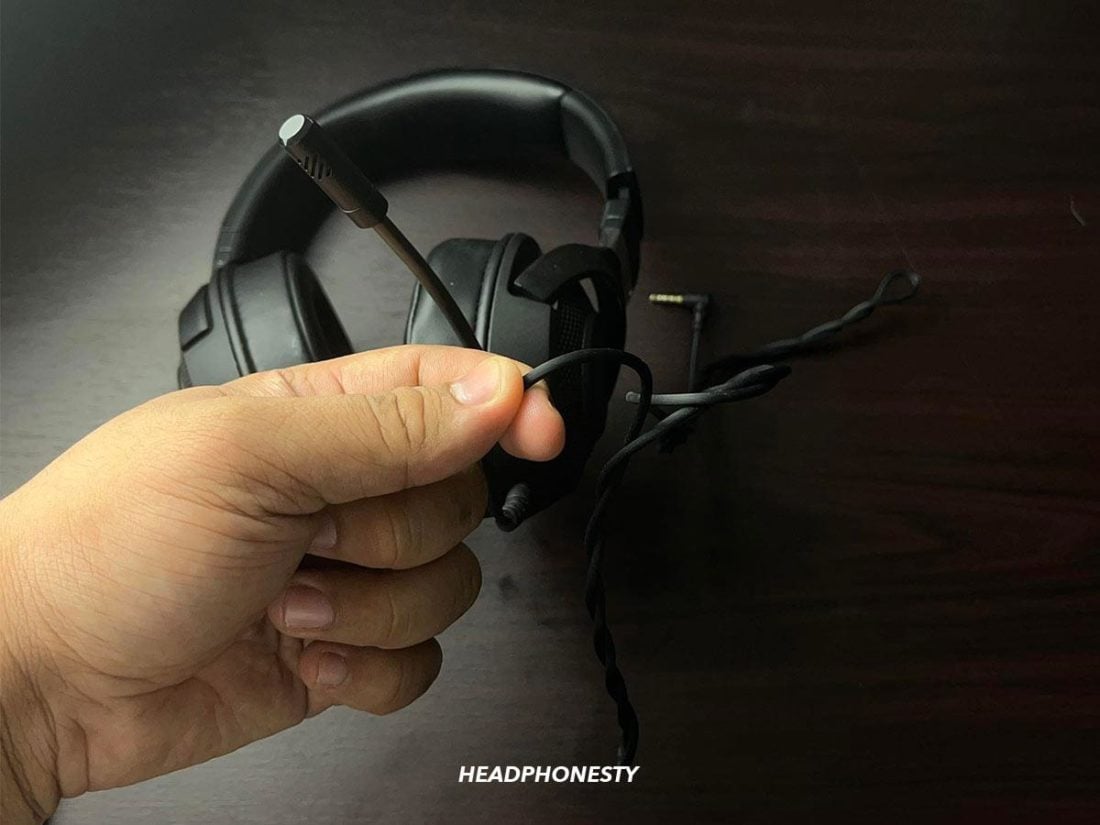
- For coiled-style cables (like studio cords), don’t try to fully straighten them; they are meant to retain coil.
Which method to use for different cable types
Thin rubber / TPE cables
- Use low heat and gentle stretching.
- Avoid long warm-water soaks.
Braided cloth cables
- Use steam and stretching.
- Avoid abrasive rubbing that frays the braid.
Coiled studio cables
- These are designed to coil. If they’re too tight, warm slightly and stretch but expect rebound.
Wired earbuds with inline electronics
- Never submerge or steam near the inline module.
- Use hair dryer or towel method and keep connectors sealed.
Knowing the material avoids mistakes. I destroyed a jacket by soaking an inline remote once. Now I separate the cable segments and protect connectors.

Preventing future curls: storage and handling tips
Good habits stop the problem. Store cables right after each use.
Recommended methods:
- Over-under coil: Alternate loops so cords lie naturally.
- Figure-eight wrap for long cables to reduce twist.
- Use simple cable ties or Velcro straps, not tight knots.
- Carry cables in a small pouch or hard case.
- Avoid stuffing cables into pockets or bags under pressure.
Daily routine:
- Unwind gently before use.
- Coil with relaxed loops, not tight spirals.
- Clean cables occasionally to keep jackets pliable.
I keep a small pouch in my backpack for spare cables. It prevents tight folds and makes uncurling rarely necessary.
Troubleshooting: when curls won’t fully disappear
Sometimes curls are stubborn. Try these steps in order:
- Start with low-heat hair dryer and stretching.
- Move to warm towel or steam if safe for the cable.
- Apply a weighted stretch overnight if needed.
- If the jacket is permanently deformed or cracked, replace the cable.
Signs you should stop:
- Melting, sticky feeling, or visible deformation.
- Exposed wires or damaged insulation.
- Electronics failing after treatment.
PAA-style quick questions
- Will heat damage headphone cords? Brief, controlled heat can soften the jacket. Too much heat will melt it, so use low settings and short bursts.
- Can boiling water remove curls? Boiling water risks damaging connectors and adhesives. Use warm water instead and keep electronics dry.
- How long does it take to uncurl cords? Most methods take minutes to an hour; stubborn memory kinks may need hours or overnight weighted stretching.

Maintenance and when to replace a cable
Regular checks extend cable life. Look for cracks, frays, or exposed wires. Replace cables if sound cuts out or insulation is failing. Cheap fixes can be temporary. A quality replacement cable is often safer and lasts longer.
Maintenance habits:
- Store properly after each use.
- Clean gently with a damp cloth.
- Avoid tugging on the cord; pull from the plug.
- Use strain relief like spring guards if needed.
I replaced several old cables instead of risking a damaged pair of earbuds. Replacement was cheaper than repairing internal drivers.
Frequently Asked Questions of how to uncurl headphone cords
How long should I apply heat to uncurl my headphone cord?
Use low heat in short bursts for 10–30 seconds per section. Let the cable cool between passes to avoid overheating.
Is using a hair dryer safe for all cable types?
Hair dryers are safe for most jackets if kept at a distance and on low heat. Avoid them on delicate braided fabrics if they fray easily.
Can I soak my headphones in warm water to uncurl them?
Only soak the cable jacket, not earbuds or connectors. If electronics are attached, avoid soaking and use steam or a warm towel instead.
Will stretching damage internal wires?
Gentle stretching within reason is safe. Avoid sharp pulls or long steady tension that could stress solder joints or thin wires.
What storage method prevents curling the most?
The over-under coil or using a small pouch with relaxed loops are the best methods. Velcro straps help keep the coil neat without pinching.
Conclusion
You can fix most curled headphone cords with simple, safe steps. Start with the gentlest method: low heat, warm towels, or steam, and add gentle stretching or weighted straightening when needed. Match your method to the cable type, protect connectors, and stop if you see damage. Adopt good storage habits like over-under coiling and a pouch to prevent future curls. Try one method now and see how quickly you can restore smooth, tangle-free cables. If this guide helped, leave a comment, share your tricks, or subscribe for more practical audio care tips.