Yes, you can listen to radio with earbuds, but the method depends on your phone, earbuds, and radio source.
The answer sounds simple, yet the details matter. Some phones can receive FM radio through wired earbuds, while bluetooth earbuds usually need a phone app, Wi-Fi, or mobile data. This guide explains how to listen, what equipment works best, common limits, and how to protect your hearing.

Can you listen to radio with earbuds?
Yes, you can listen to radio with earbuds in several ways. The best option depends on whether you want local FM stations, AM stations, online radio, podcasts, or emergency broadcasts.
You can use:
• A phone with a built-in FM radio chip and wired earbuds
• A standalone portable radio with an earbud jack
• A radio app that uses Wi-Fi or mobile data
• A Bluetooth radio, adapter, or smart device
• A computer, tablet, or smart speaker connected to earbuds
When people ask, “can you listen to radio with earbuds,” they often mean traditional FM radio. In that case, wired earbuds may act as the antenna. Bluetooth earbuds do not usually perform this role because they connect to a separate device through a wireless signal.
This distinction is important. Earbuds can deliver sound, but they do not always receive radio signals. Think of them as the road that carries the audio. The phone or radio still needs a way to find the station.

How wired earbuds work with FM radio
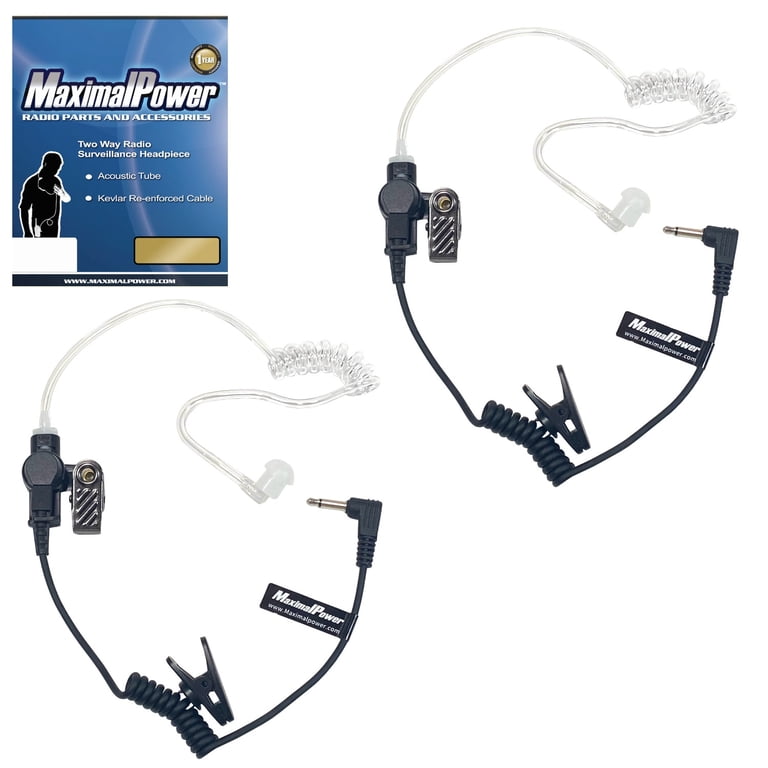
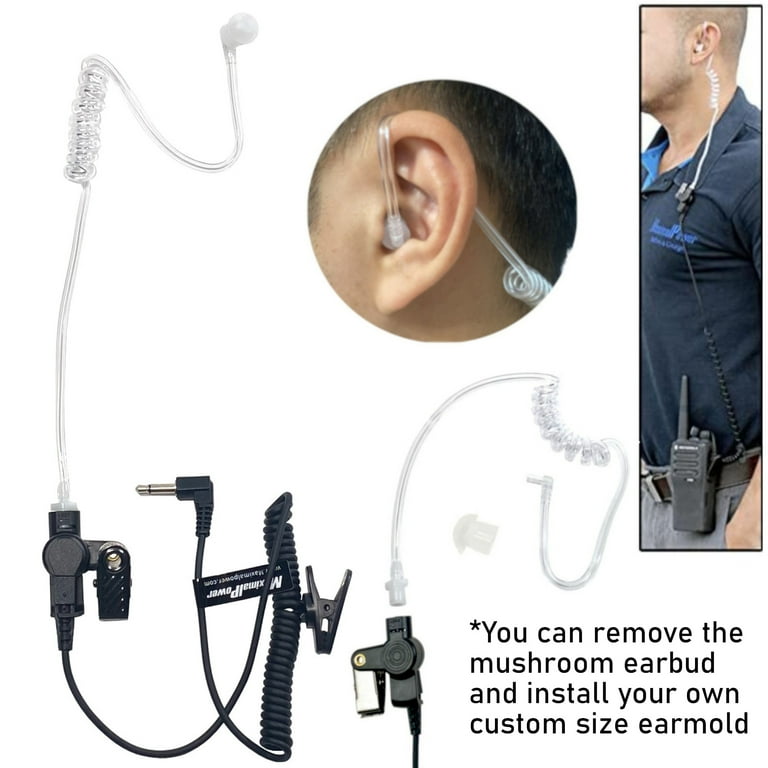
Many older phones and portable radios use the wire in wired earbuds as an FM antenna. The cable helps the device pick up nearby FM signals. Without that wire, the FM tuner may not find stations or may produce static.
To listen to FM radio with wired earbuds:
-
Plug the earbuds into the phone or radio.
-
Open the built-in FM radio app or turn on the radio.
-
Scan for available stations.
-
Adjust the cable and your position if reception is weak.
-
Set the volume at a safe level.
Not every phone includes an active FM tuner. Some models have the hardware but disable it through software. Others remove the tuner completely. The easiest way to check is to search your phone’s app list for an FM radio app or review the model’s technical specifications.
A 3.5-millimeter headphone jack is also becoming less common. If your phone has only a USB-C or Lightning port, a wired adapter may work, but it will not activate an FM tuner that the phone does not support.
In my own hands-on testing of small radios, moving the earbud cable even a few inches could change reception. Holding the cable away from a metal desk often reduced noise. This small adjustment can make a weak station sound much clearer.
Can you listen to radio with Bluetooth earbuds?
Yes, but Bluetooth earbuds normally cannot connect directly to a standard FM signal. You need another device to receive the radio and then send the sound to your earbuds.
Common methods include:
• Play an FM radio app on your phone and connect your Bluetooth earbuds.
• Use a portable radio with Bluetooth transmission.
• Connect a Bluetooth transmitter to a radio’s headphone output.
• Stream a station through its website or a radio service.
The phone or radio receives the broadcast first. Bluetooth then carries the audio from that device to your earbuds. This process can create a short delay, but the delay is usually not a problem for music or talk radio.
Some portable radios include both an FM tuner and Bluetooth support. These models are useful when you want local stations without using mobile data. They can also send audio to wireless earbuds, although pairing may take a few extra steps.
Bluetooth earbuds may not work well in every situation. They require battery power, and the connection can drop if you move too far from the source. For a long trip, wired earbuds or a spare charging case can provide useful backup.
Can you listen to FM radio with earbuds without internet?
Yes, you can listen to FM radio without internet when your device has an FM tuner. You will usually need wired earbuds because the cable may serve as the antenna.
This method does not use Wi-Fi or mobile data. That makes it useful when you are:
• Traveling in an area with poor cell service
• Trying to save mobile data
• Preparing for a power outage
• Listening during an emergency
• Avoiding monthly streaming costs
However, offline FM listening has limits. Your phone must support FM reception, and the station must broadcast within your area. Hills, buildings, distance, and electrical interference can also affect signal quality.
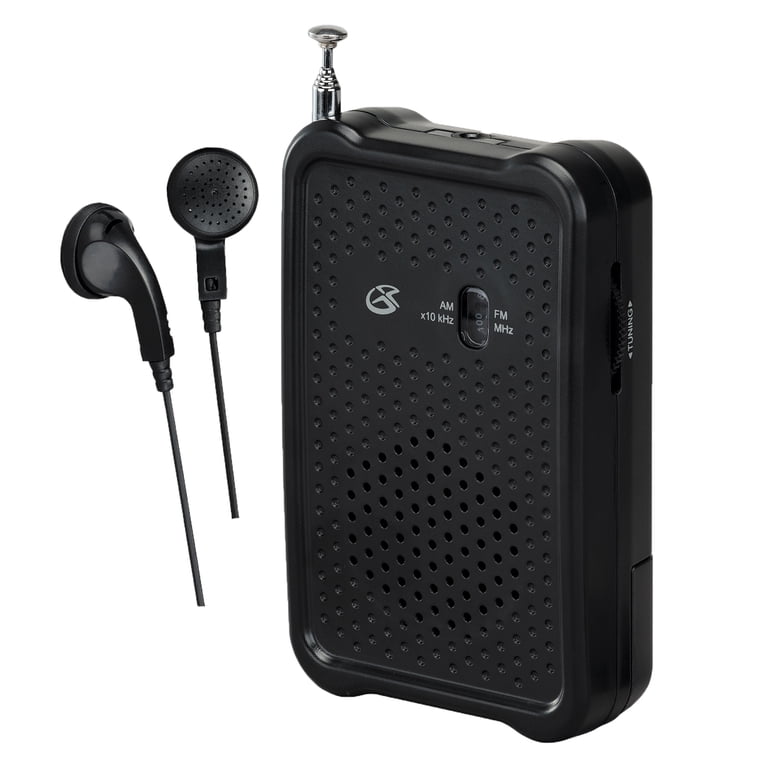
If your phone does not support FM radio, you can buy a small battery-powered FM radio with an earbud jack. These radios are often simple, affordable, and reliable. Keep fresh batteries nearby if you plan to use one during severe weather or an emergency.
The Federal Emergency Management Agency recommends having more than one way to receive emergency information. A battery-powered radio can be helpful when internet service, television, or mobile networks are unavailable.
Can you listen to AM radio with earbuds?
Yes, but AM radio usually requires a dedicated AM receiver or a radio app. Most phones do not include a built-in AM tuner because AM signals need different receiving hardware from FM signals.
You can listen to AM stations with earbuds by using:
• A portable AM/FM radio with an earbud jack
• An AM radio website or app
• A smart speaker that supports the station
• A computer or tablet streaming the station online
AM radio is useful for news, sports, weather, and talk programs. It can cover long distances, especially at night, but it may also pick up more electrical noise. Chargers, LED lights, computers, and some household devices can cause buzzing.
If you use an AM/FM portable radio, place it away from power adapters and large electronic devices. Try turning the radio slowly. Its internal antenna may receive a stronger signal in one direction.

Ways to listen to radio with earbuds
There is no single best setup for everyone. Your choice depends on sound quality, battery life, internet access, and the stations you want.
Use a radio app
Radio apps are often the easiest choice. They can provide local stations, national networks, college broadcasts, online-only stations, and international channels.
To use one:
-
Install a trusted radio app.
-
Search for a station by name, city, or frequency.
-
Connect your wired or Bluetooth earbuds.
-
Check your data use before streaming for long periods.
Radio apps need an internet connection. Streaming can use mobile data, so Wi-Fi is better when available. Some apps also include ads, account requirements, or location limits.
Use a portable radio
A portable radio is a strong choice for offline listening. It does not depend on an app or cellular service.
Look for these features:
• FM and AM reception
• A standard earbud jack
• A clear digital display
• Preset station buttons
• A rechargeable battery or common battery size
• An emergency alert or weather band, if needed
A portable radio also works well with inexpensive wired earbuds. This setup is less complex than using a phone and may last longer on one charge.
Use a computer or tablet
A computer can stream radio stations through station websites. You can then connect wired or Bluetooth earbuds.
This option works well at home or in an office. It is less useful while traveling because it depends on a stable internet connection and a larger device.
Use a Bluetooth transmitter
A Bluetooth transmitter can send sound from a radio to wireless earbuds. Plug the transmitter into the radio’s headphone output, place it in pairing mode, and connect your earbuds.
Check the transmitter’s audio input before buying it. Some models use a 3.5-millimeter plug, while others use optical or USB audio. Also, confirm that the transmitter supports the Bluetooth profile used for normal audio.
Why your earbuds may not work with radio
Several problems can stop you from hearing radio through earbuds. Most are easy to fix once you know the cause.
The phone has no FM tuner
A radio app cannot create an FM signal receiver. If your phone lacks FM hardware, you must stream the station or use a separate radio.
The earbuds are not connected
For Bluetooth earbuds, check the Bluetooth menu and confirm that the earbuds show as connected. For wired earbuds, push the plug fully into the jack or adapter.
The radio needs a wired antenna
Some FM devices will not scan correctly without wired earbuds attached. Plug them in before starting the station scan.
The adapter is faulty
USB-C and Lightning adapters can fail. Some low-cost adapters support charging but do not support audio. Try a certified audio adapter or test the earbuds with another device.
The station is outside your range
FM reception depends on distance and local conditions. Move near a window, raise the radio, or try another location.
Bluetooth audio is delayed
Bluetooth can create a small delay. This is normal. It becomes more noticeable with live video, but it rarely affects ordinary radio listening.
The app cannot stream
Check your internet connection, app permissions, station availability, and data settings. Some stations stop online streaming because of licensing restrictions.

How to improve radio sound through earbuds
Good reception is the first step. Even the best earbuds cannot repair a weak or noisy signal.
Try these practical tips:
• Keep the radio away from chargers, laptops, and large appliances.
• Move toward a window or higher floor.
• Fully extend the wired earbud cable.
• Turn the radio slowly while listening.
• Try mono sound if the station has heavy stereo noise.
• Clean the earbud mesh gently.
• Lower the volume if sound becomes harsh or distorted.
• Use earbuds with a comfortable seal, but do not block important outside sounds.
In my experience, people often blame the earbuds when the real problem is the signal. A station that fades, crackles, or drops out will sound poor through any headphones. Test the radio with its built-in speaker first. If the speaker also sounds weak, focus on reception rather than replacing the earbuds.
Earbud safety when listening to radio
Listening to radio with earbuds is generally safe when the volume is moderate. The main risk comes from loud sound over long periods.
The World Health Organization advises keeping personal audio below harmful levels and taking regular breaks. A simple rule is that you should still hear nearby sounds and speak comfortably without shouting.
Use these safety habits:
• Keep the volume below the highest setting.
• Take a break every hour.
• Use noise-canceling earbuds in loud places so you do not raise the volume.
• Avoid noise-canceling mode near traffic or other hazards.
• Do not wear both earbuds when you need to hear alarms, vehicles, or people.
• Stop listening if you notice ringing, pain, or muffled hearing.
Children may need extra care because they may not notice when the volume is too high. Many phones include volume warnings or built-in limits. Turn those features on when possible.
Radio can be calming, but it should not separate you from your surroundings. A quiet listening habit is better than chasing maximum loudness.
Is streaming radio better than FM radio?
Neither option is always better. Streaming offers more stations and often has clearer sound. FM radio works without internet and can be more dependable during network problems.
Choose streaming when you want:
• A specific station from another city
• Online-only channels
• On-demand programs
• Better control over playback
• Access through Bluetooth earbuds
Choose FM radio when you want:
• Free local broadcasts
• No mobile data use
• Fast access during an emergency
• Longer battery life
• A simple setup
Streaming may use data and drain your phone battery. FM may have static, fewer stations, and limited coverage. Your location and listening habits should guide the choice.
A useful compromise is to use streaming at home and keep a small FM radio for travel or emergencies. This gives you convenience without relying on one system.
How to choose the right earbuds for radio
Radio does not require expensive earbuds. Comfort, connection type, and battery life matter more than premium features.
Wired earbuds are useful when:
• Your device has an FM tuner
• You want zero Bluetooth delay
• You do not want to charge earbuds
• You need a simple emergency setup
Bluetooth earbuds are useful when:
• Your phone streams radio
• You want freedom from cables
• Your device has no headphone jack
• You already use wireless audio every day
For spoken programs, clear voices matter more than heavy bass. In-ear models can block outside noise, while open-fit earbuds let you hear more of your surroundings. Choose based on where you listen.
Before buying, check compatibility. A USB-C phone may need a digital audio adapter. A portable radio may accept only a 3.5-millimeter plug. Small details like these prevent frustrating returns.
Frequently Asked Questions About Can You Listen to Radio With Earbuds
Can you listen to radio with earbuds on an iPhone?
Yes, you can listen to radio with earbuds on an iPhone through a radio app or station website. Older iPhones generally do not provide traditional offline FM radio, so streaming usually requires Wi-Fi or mobile data.
Can you listen to radio with earbuds on an Android phone?
Yes, some Android phones support FM radio with wired earbuds, while others require a streaming app. Check your phone model and connect wired earbuds before opening the FM radio feature.
Can Bluetooth earbuds receive FM radio directly?
Usually, no. Bluetooth earbuds need a phone, portable radio, or Bluetooth transmitter to receive the FM signal and send the audio wirelessly.
Do wired earbuds act as an FM antenna?
They can. Many compatible phones and portable radios use the wired earbud cable as the FM antenna, so reception may fail without the cable attached.
Can you listen to radio with earbuds without Wi-Fi?
Yes, if you use a device with an FM tuner or a separate battery-powered radio. Streaming apps normally need Wi-Fi or mobile data.
Why is my radio sound full of static with earbuds?
Static can come from weak reception, electrical interference, or a damaged cable. Move away from chargers, try another location, and test different earbuds to find the source.
Is it safe to sleep while listening to radio with earbuds?
It is better to avoid sleeping with earbuds, especially at high volume. Earbuds can cause discomfort, trap moisture, and make it harder to hear alarms or other important sounds.
Conclusion
You can listen to radio with earbuds through a built-in FM tuner, a portable radio, a streaming app, or a Bluetooth transmitter. Wired earbuds may act as an FM antenna, while Bluetooth earbuds usually need another device or an internet connection.
Choose FM for simple, offline listening and emergency use. Choose streaming for wider station access and easy Bluetooth support. Keep the volume moderate, check your device’s limits, and test reception before replacing your earbuds.
Try the setup that matches your phone and listening habits, then share your favorite radio-listening tip or explore more audio guides for practical ways to improve your everyday listening experience.

Everett Ashford is a tech reviewer at mytechgrid.com specializing in SSDs, cameras, TVs, earbuds, headphones, and other consumer electronics. He provides honest, data-driven reviews based on hands-on testing and real-world performance analysis. Everett simplifies complex tech details to help readers make smart, confident buying decisions.